
Seeraga Samba vs Basmati: Which Rice is Best for Biryani?
By Sri Murugan Traders, Manapparai · Updated
The short answer
Choose Seeraga Samba for Tamil-style biryani – Dindigul, Ambur, Chettinad and most Tamil wedding biryani. Choose Basmati for Hyderabadi, Lucknowi and North Indian style biryani, pulao and jeera rice.
Grain size and texture
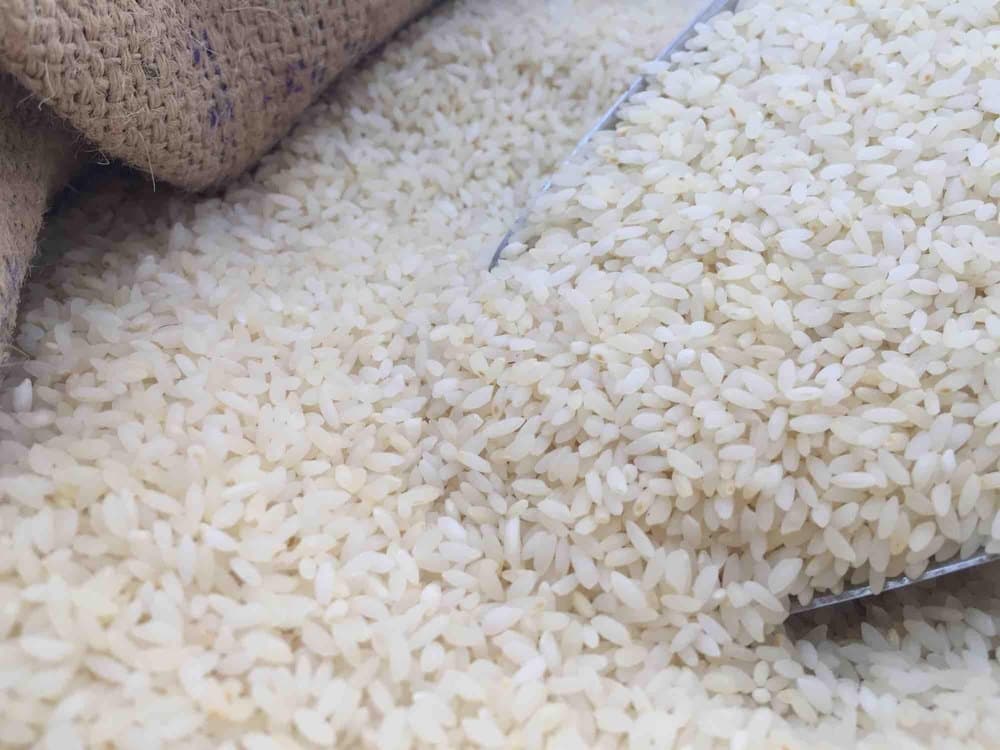
Seeraga Samba has very small, oval grains that look like cumin seeds. They soak up masala and ghee and give a rich, flavour-packed biryani where every grain is coated. Basmati has extra-long, slender grains that grow longer when cooked and stay separate and fluffy.
Aroma
Basmati has a strong floral aroma. Seeraga Samba has a softer, buttery aroma that blends with spices instead of standing out. That is why Tamil biryani cooks say Seeraga Samba lets the masala lead.
Cooking tips for both
Use aged rice for both – it has less moisture and does not turn mushy. Seeraga Samba usually needs about 1.5 to 1.75 cups of water per cup in dum biryani. Basmati is often par-cooked in plenty of water and drained before layering.
Buying for hotels and caterers
For biryani shops and wedding caterers, the quality and age of the rice decides how consistent each batch is. Sri Murugan Traders supplies aged Seeraga Samba and Basmati in wholesale bags to hotels and caterers across Tamil Nadu.
Frequently asked questions
Which rice is used for Dindigul biryani?
Dindigul biryani is traditionally made with Seeraga Samba rice.
Which rice is used for Ambur biryani?
Ambur biryani is usually made with Seeraga Samba rice.
Is Seeraga Samba more expensive than Basmati?
Prices change with each season and quality grade. Call Sri Murugan Traders for today's wholesale rates on both.
Need rice in bulk? See wholesale rice supply across Tamil Nadu or contact usfor today's rates.