சீரக சம்பா
Seeraga Samba
The biryani rice of Tamil Nadu - tiny, aromatic, and it takes on everything it's cooked with.
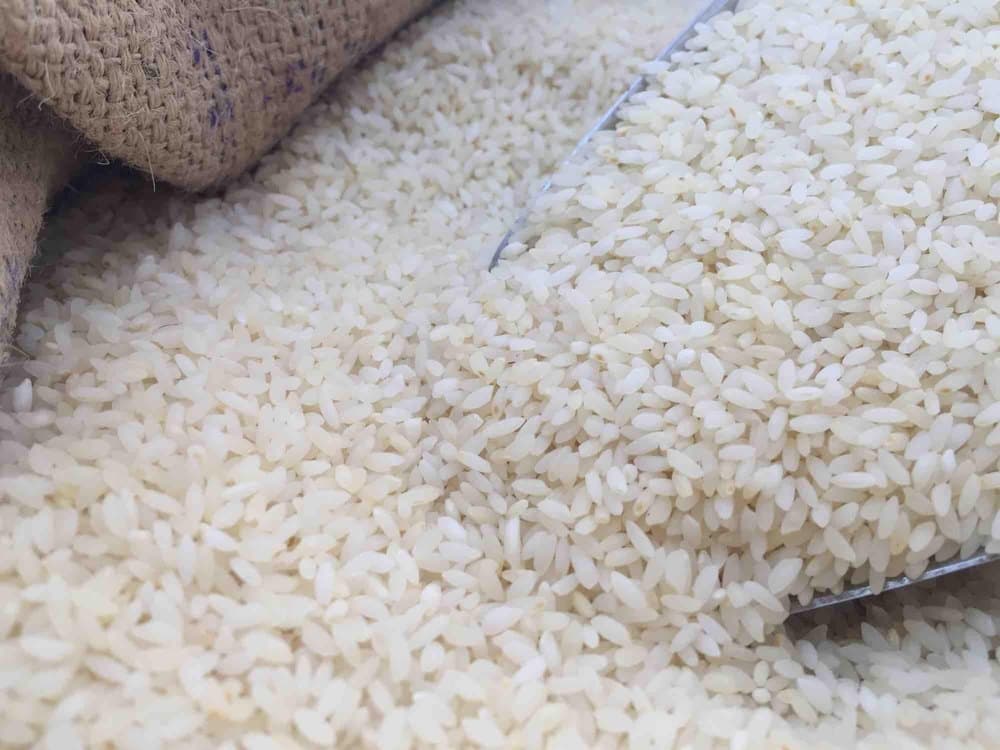
- Grain
- very short, pale ivory
- Family
- Aromatic
- Best for
- Biryani, Ghee rice, Pulao, Kuska, Mutton and chicken rice
Seeraga Samba is named for cumin - seeragam - which the grain resembles in size and shape. It's the smallest rice in common use in Tamil Nadu, and the one that makes a Madurai or Dindigul biryani taste the way it does.
Its value is absorbency. Where Basmati stays aloof and separate, Seeraga Samba takes up stock, spice and fat and carries the flavour through the grain. That's why every serious biryani kitchen in the state uses it and why no long-grain rice substitutes properly. It has a natural aroma of its own, subtler than Basmati's, that lifts rather than dominates.
It needs a lighter hand than long-grain rice - less water, less time, and no stirring once it's on. Overcooked, it turns to paste. Cooked correctly, the grains stay distinct and take on a faint gloss.
We sell it naturally aged, which matters more for this variety than most: fresh-milled Seeraga Samba cooks wet and clumps.
Cooking
Rinse but don't soak long - 15 minutes is enough. Cook 1:1.5 with stock or water, about 12–15 minutes, or 2 whistles. Considerably less water than you'd expect. Rest 10 minutes before opening.
Ask for today’s rate on Seeraga Samba.
WhatsApp about this variety